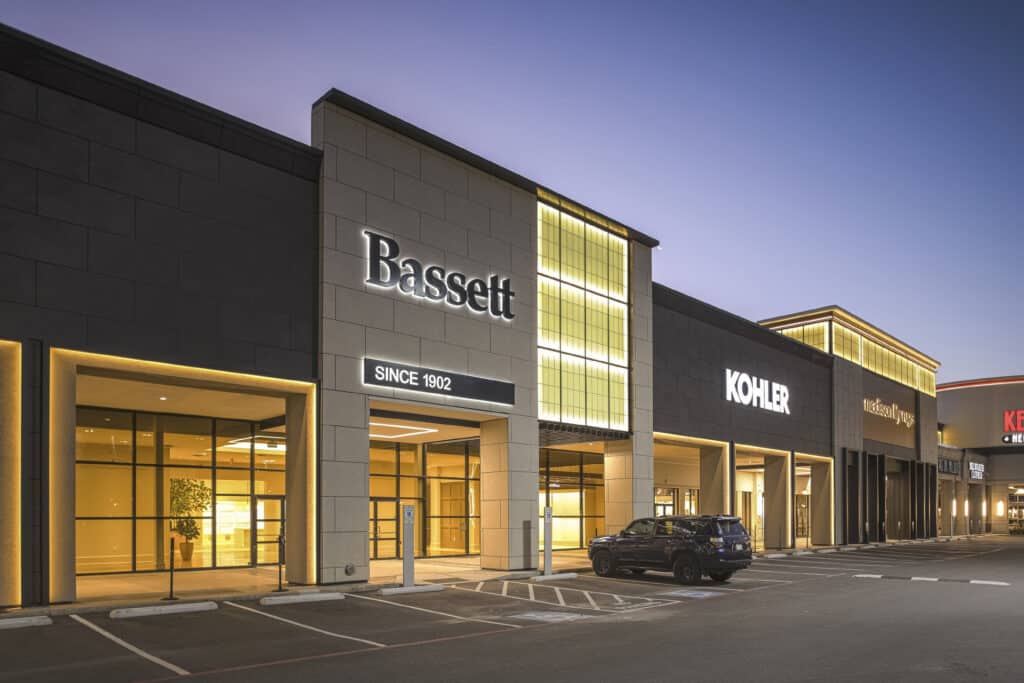
Creating Experiential Retail with Impactful Design
In an effort to find balance in an era of fast shipping and convenient curbside pickup, retailers are focusing on crafting unique, customer service-driven, in-store experiences. Experiential retail allows customers to engage with products and brands beyond the limitations of online shopping.
As consumer needs evolve, the in-store shopping experience has also transformed to meet their expectations and desires. Retailers not only aim to develop new stores, but to design destinations – environments where shoppers engage with a brand or a product they might have overlooked online.
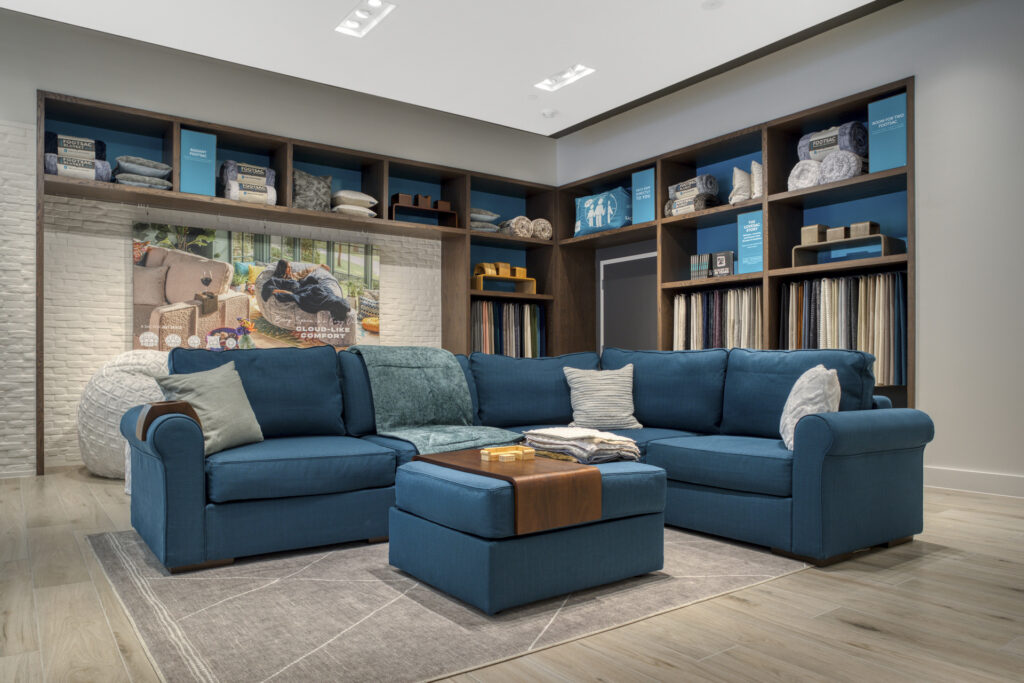
These spaces require architects to consider the brand and incorporate elements that tie back to the retailer’s distinct store environment. From optimizing store layouts to budgeting square footage, architects work closely with retailers to create the look and feel. The evolution of a store environment is dependent on this collaboration to deliver value to a customer’s visit and cultivate brand loyalty.

 Back to Main Blog Page
Tailoring the Retail Environment
Designing new interactive elements for customers often leads retailers to rethink their store footprints. A growing trend is the removal of traditional check-out counters in favor of hand-held technology, which frees up valuable space to introduce new features and enhance overall customer flow.
With more square footage, fitting rooms have become areas where clothing retailers optimize the in-store experience by leveraging enhanced lighting, lengthier mirrors and unique branding elements.
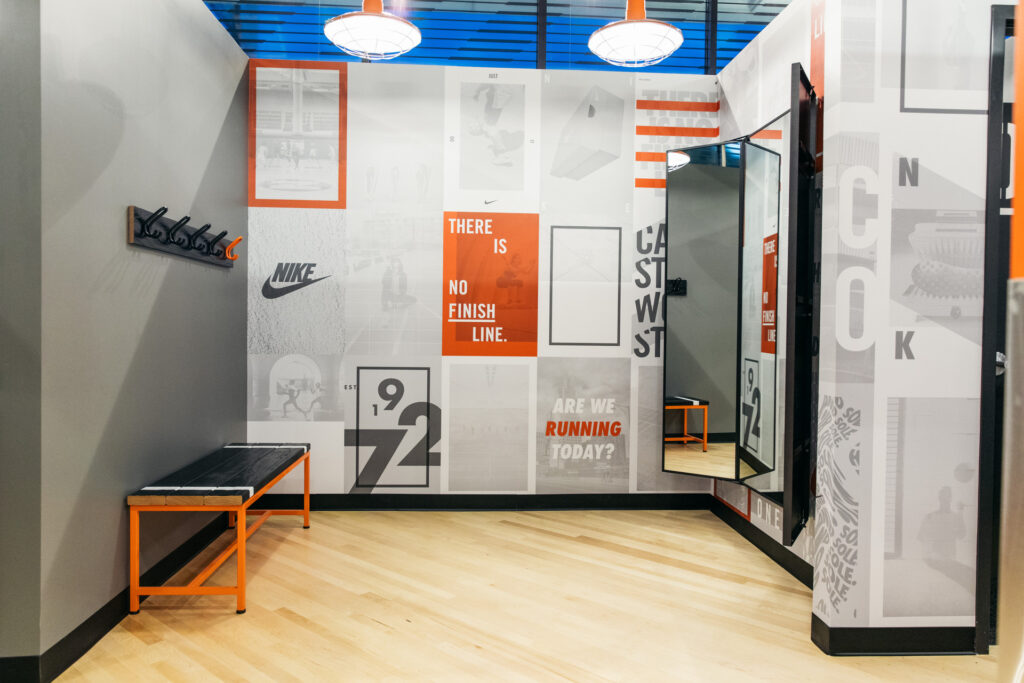
Reimagining and reprioritizing a store’s layout to accommodate new features allows retailers to reassess what is most essential to their business. The visual components that take center stage vary depending on the industry and brand. When making these decisions, it’s important retailers communicate not only their brand’s current goals – but also their future goals – to the architecture team. Knowing how retailers envision the future of their brand helps architects elevate the store’s environment.
Creating Value through Authentic Experiences
Creating an experience geared toward exhibiting or personalizing a retailer’s product can be compared to the “chef’s table” experience. It’s an opportunity that allows customers to understand the process behind the product and feel involved in the creation of their purchase. This strengthens a shopper’s connection to a brand by creating an item that’s unique to them.
However, retailers aren’t just looking to create trendy experiences. Their goal is to create moments that offer value to their customers’ shopping experience. Adding authenticity to products is at the core of a personalized retail experience — from clothing brands providing on-site tailoring and embroidery, to home décor brands using technology to explore how a product would function in a customer’s home.
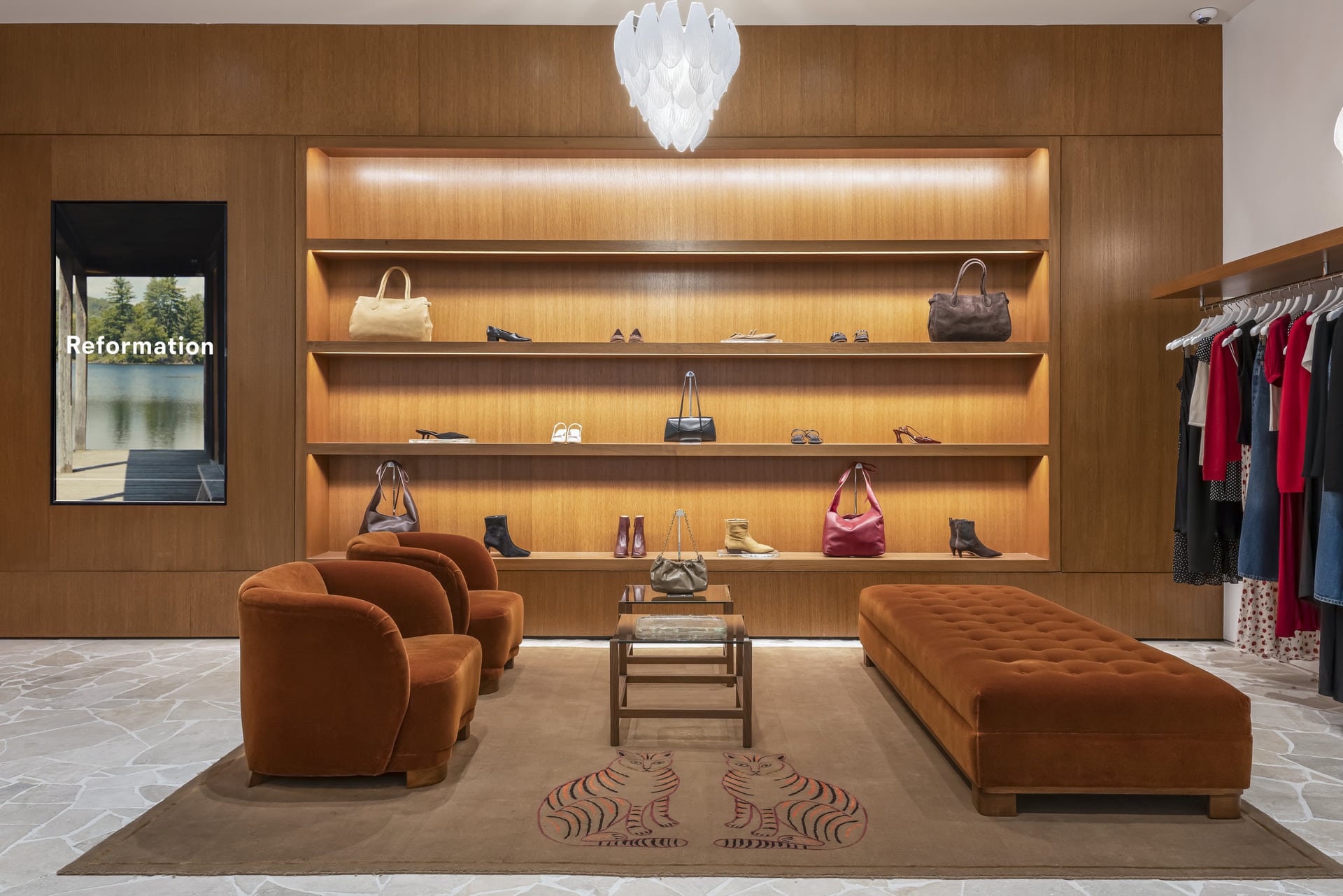

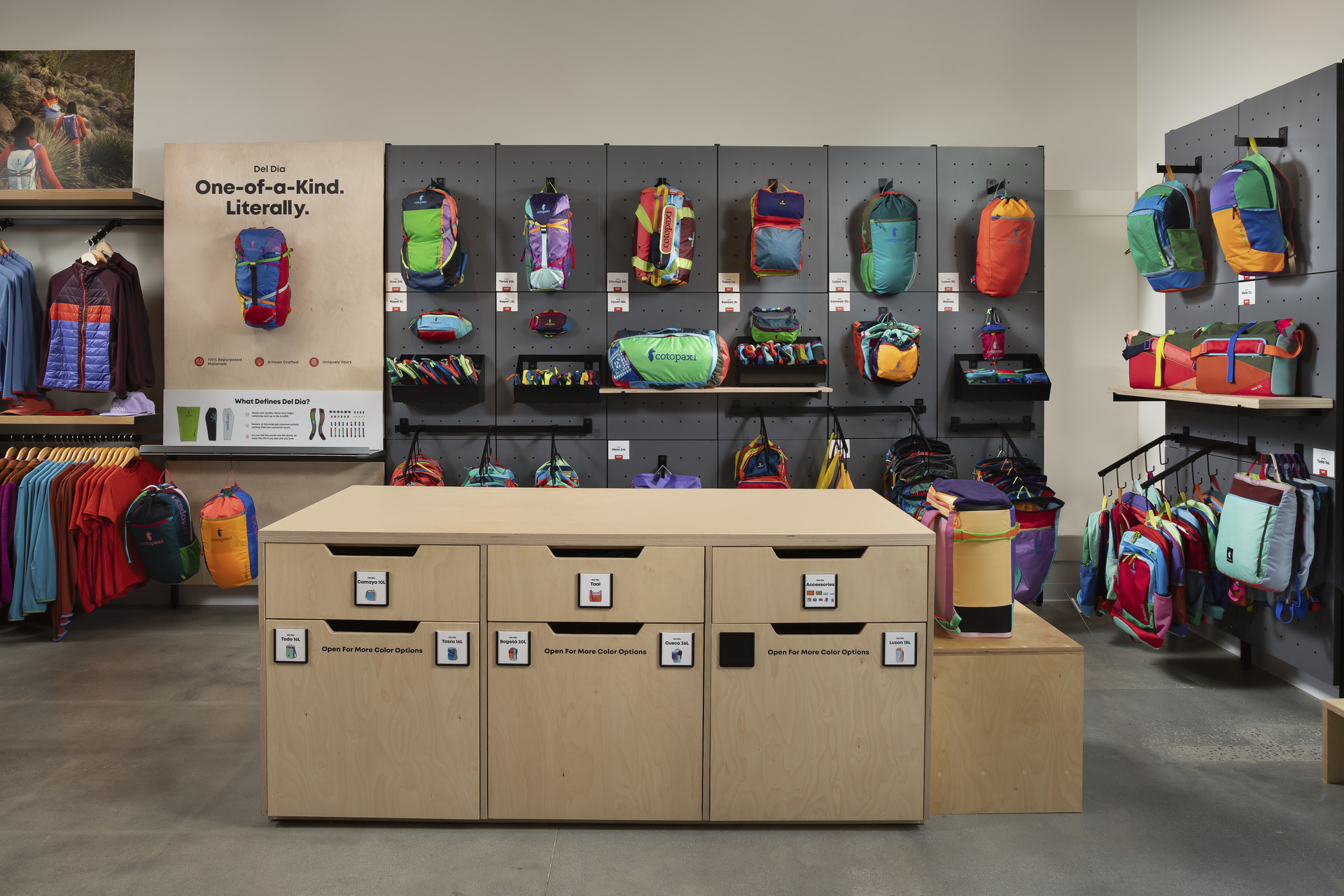
Retailers and architects need to be innovative when they collaborate on the designs in order to seamlessly translate the design intent from flagship stores to suburban locations. Integrating these experiences into all location types allows retailers to deliver a consistent shopping experience.
Architects often integrate modular designs into store formats and layouts, which helps retailers transfer consistent design elements across a fleet of stores without having to re-envision each store. The ability to incorporate these experiences across various store types results in a measure of success — the delivery of a satisfying customer experience and increased sales.
The Future of Retail
As the retail market sector continues to evolve, it’s clear that the future of the industry focuses on offering personalized experiences for customers. When a retailer and its architecture team align successfully, the resulting design inspires excitement for a brand, solidifies brand identity and achieves success.